In this article
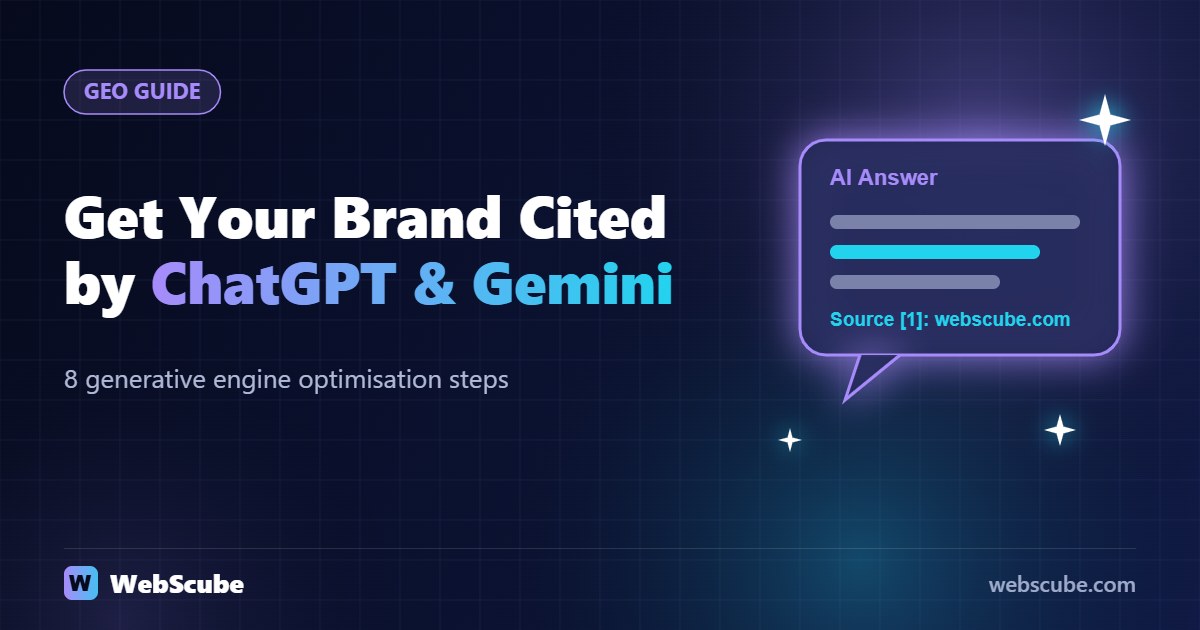
Quick answer: Generative engine optimisation (GEO) is the process of making your brand, products and content more likely to be mentioned, recommended and cited in answers written by AI tools such as ChatGPT, Google Gemini, Perplexity, Microsoft Copilot and Google AI Overviews. It combines clear, factual content, structured data, consistent brand information and third-party mentions so that AI systems understand who you are and trust you enough to name you.
Ask an AI assistant “What’s a good digital marketing agency for a small business in Gujarat?” and it won’t show you ten links. It will write a short answer and name a handful of businesses. If yours isn’t one of them, you’re invisible in that conversation — no matter how good your website looks.
That’s the problem GEO solves.
How do AI search engines decide what to say?
Different tools work differently, but most AI answers come from two sources:
- What the model learned during training – a large snapshot of public web content, which shapes its general understanding of brands and topics.
- What it retrieves live – many assistants run a web search in real time and summarise the pages they find, often showing citations.
In both cases, the AI is looking for information that is clear, consistent, credible and easy to summarise. Your job with GEO is to supply exactly that.
8 practical GEO steps for your business
1. Make your brand an unmistakable “entity”
AI systems think in entities: a business with a name, location, services and relationships. Use exactly the same business name, address, phone number and service description on your website, Google Business Profile, LinkedIn, Facebook, Justdial, IndiaMART and other directories. Inconsistency creates doubt.
2. Add Organisation and LocalBusiness schema
Structured data (schema.org markup) tells machines precisely who you are. Add Organisation or LocalBusiness schema with your logo, address, contact details, social profiles (sameAs links) and the services you offer. Use Article, FAQ, Product and Review schema where relevant.
3. Lead every page with a direct answer
AI tools love content they can quote. Start key pages and posts with a 2–3 sentence summary that directly answers the main question, the way this article does. Then expand with detail.
4. Write quotable, specific facts
Vague marketing language (“we deliver world-class solutions”) gives an AI nothing to cite. Specific statements do: how many years you’ve been in business, which cities you serve, what your process includes, what a typical project costs, how long it takes. Add your own data, examples and case studies wherever you can.
5. Show real expertise and authorship
Put real author names and short bios on your content. Show your experience: client projects, certifications, team photos, the problems you’ve personally solved. AI systems and Google both reward content that demonstrates experience, expertise, authoritativeness and trust (E-E-A-T).
6. Earn mentions on other websites
AI models trust what other people say about you more than what you say about yourself. Work on reviews on Google and industry platforms, mentions in local news and business blogs, listings in relevant directories, guest articles, podcast appearances and genuine participation in communities like Quora and Reddit.
7. Cover your topic completely
Build clusters of content around your core services: a main service page supported by blogs answering every common question customers ask. Comprehensive topic coverage signals authority and gives AI tools more relevant material to draw from.
8. Keep information fresh and accessible
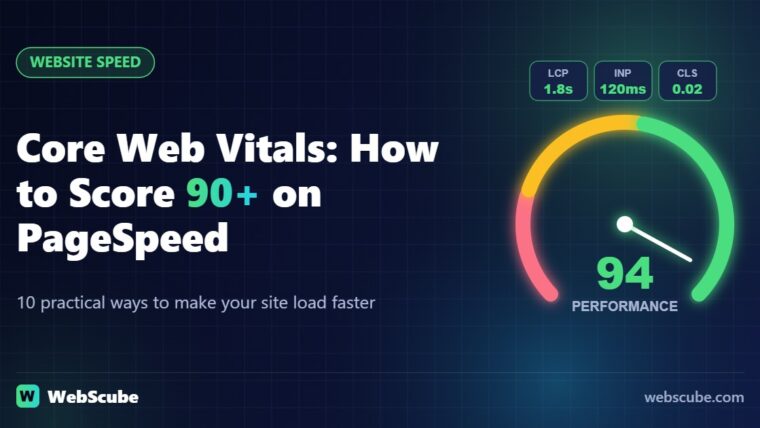
Update pages when prices, services or facts change, and show “last updated” dates. Make sure your site loads fast, works on mobile, and doesn’t block legitimate search and AI crawlers in robots.txt unless you have a deliberate reason to.
How to measure GEO
GEO measurement is still maturing, but you can start simply:
- Regularly ask ChatGPT, Gemini, Perplexity and Copilot the questions your customers ask, and note whether you’re mentioned.
- Check Google Search Console for impressions on question-style and long-tail queries.
- Watch Google Analytics for referral traffic from AI tools such as chatgpt.com, perplexity.ai and gemini.google.com.
- Track growth in branded searches — people searching your name after hearing about you.
GEO is built on SEO, not instead of it
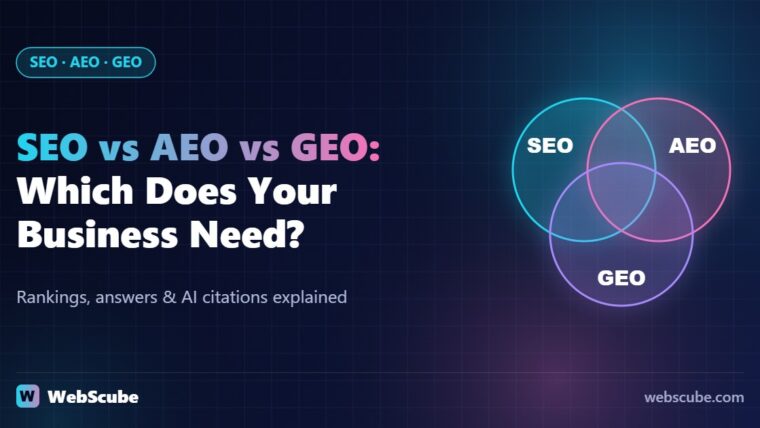
Many AI tools retrieve and cite pages that already rank well in search. A fast, well-structured, SEO-strong website is still the starting point. If you’d like to understand how these pieces fit together, read our guide to SEO vs AEO vs GEO.
Get your business recommended by AI
WebScube’s generative engine optimisation (GEO) service covers entity and schema setup, content restructuring, brand mention building and ongoing AI visibility tracking — on top of solid SEO services. WhatsApp us on +91 98988 09847 for a free AI visibility check of your brand.
Frequently asked questions
What does GEO stand for in marketing?
GEO stands for generative engine optimisation: optimising your brand and content so AI tools such as ChatGPT, Gemini, Perplexity and Google AI Overviews mention and cite you in their answers.
Is GEO different from SEO?
Yes. SEO aims to rank pages in search results and earn clicks. GEO aims to get your brand included and cited in AI-written answers. GEO depends on good SEO, because many AI tools draw on well-ranked, trusted pages.
Can I pay to appear in ChatGPT answers?
Organic AI answers cannot be bought directly. Your visibility depends on how clearly and consistently your brand is described across the web, the quality of your content and how often trusted sources mention you.
How do I check if ChatGPT mentions my business?
Ask ChatGPT, Gemini and Perplexity the questions your customers would ask, such as the best provider of your service in your city, and note whether and how your business appears. Repeat monthly to track progress.
Written by Dharmesh Vasani, WebScube Enterprise, Ahmedabad. WebScube builds websites and runs SEO, AEO and GEO campaigns for businesses in India, Singapore and Australia.